One rider worked through upright bicycles at three shops and a warehouse store, rode a few of them on flat streets and sand-dusted paths, and wrote down which differences were felt from the saddle.
The gap between a boxed cruiser at the warehouse store and one hanging in a bike shop is real, but it is not distributed the way the price tags suggest. Some of the money buys parts you will feel within the first block, and some of it buys parts that matter only if you ride forty miles at a time or leave the bike outside through a winter. On flat ground, over two miles, the list of things that genuinely change the ride is shorter than most spec comparisons imply. Here is where each dollar tends to land.
The frame is mostly a weight and geometry decision, not a ride quality one
Cruiser frames come in steel and aluminum, and the marketing around each overstates the difference at this speed. Steel is heavier, usually by three to five pounds on a complete bike, and it does damp some road buzz, though on a fat balloon tire at low pressure that tire is already doing almost all of the damping. Aluminum is lighter and will not rust from the inside if water gets into the tubes, which matters near salt air. What you actually feel is the geometry: how far forward the pedals sit, how tall the head tube is, whether the bars come back to you. Two frames of the same material can ride completely differently, and two materials in the same shape can ride nearly the same.
The practical cost question is lifting. If the bike lives up a flight of stairs or goes on a trunk rack, four pounds is a daily tax you pay forever, and paying more for aluminum is a reasonable way to buy it off. If the bike rolls out of a garage onto a flat street, the weight difference will not register once you are moving, and the money is better spent elsewhere on the bike.
Wheels are where the cheap bike is actually cheap
This is the single largest real difference between price tiers, and it is the one buyers skip because a wheel looks like a wheel. Inexpensive wheels are machine-built with low, uneven spoke tension, and they go out of true early, usually within the first hundred miles, because the spokes settle unevenly under load. A wheel that is out of true rubs a brake pad, wobbles under the fender, and eventually breaks spokes at the elbow. A shop wheel, or a factory wheel that a mechanic has tensioned and stress-relieved before it leaves the floor, holds its shape for years of the same riding.
The good news is that this is fixable cheaply and early. A tensioning and truing session at a shop costs a fraction of a wheel and turns a mediocre wheel into a durable one, which is why buying a less expensive bike and immediately spending a little on the wheels is often the better value than buying up a tier. Tires matter too, and more than almost anything at two miles. A supple tire at the right pressure, somewhere in the low twenties for most balloon tires, smooths cracked pavement and sandy patches in a way no frame material can.
Bearings, and the difference between sealed and just greased
Hubs, headset and bottom bracket all spin on bearings, and the price tiers differ mainly in whether those bearings arrived with enough grease and whether they are sealed against water and grit. Budget bikes frequently ship with loose ball bearings, minimal grease, and cones set either too tight or too loose, and near the coast that combination turns into a gritty headset in a single season. A cartridge bottom bracket and sealed hubs cost more and simply keep working. You will not feel the difference on day one, which is exactly why it shows up only on a spec sheet and then shows up again, expensively, two summers later.
Worth knowing: an hour of shop labor to repack and adjust bearings on a new budget bike buys most of what the more expensive bike gives you here. That is the real shape of the decision. You are choosing between paying up front for assembly quality or paying a mechanic later, and the second path is usually cheaper if you actually take it.
Brakes, where paying more changes the first ride
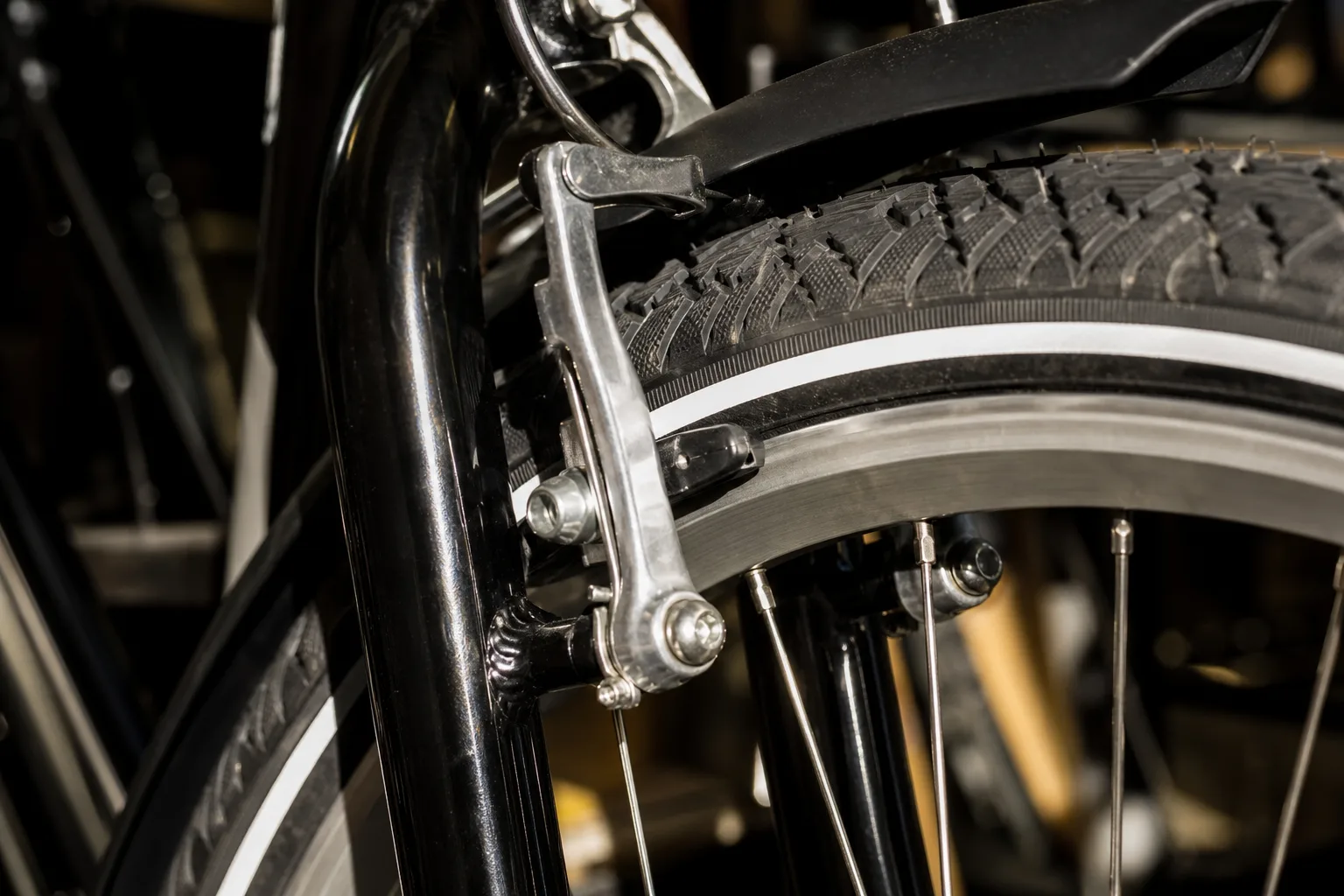
A coaster brake is a coaster brake at any price, reliable and slow to modulate, and it is fine for flat streets at cruiser speeds. Where the money shows is in rim brakes: cheap steel calipers flex, the pads glaze, and the cable housing compresses so the lever comes back to the bar before the pad bites. Better calipers, decent pads and compressionless housing turn a vague squeeze into a predictable stop, and that is felt immediately, on the first descent off a curb cut. Bicycle brake performance and general bike construction fall under the Consumer Product Safety Commission, which sets the requirements manufacturers build to, so the floor is safe everywhere; the ceiling is what you are buying.
If you are comparing models online, look past frame color to the brake and hub specifications, because a mid-priced Cruiser Bike often puts its money exactly there while a cheaper one saves in the same place.
What the whole decision actually costs
Take a budget bike, add a wheel tensioning, a bearing repack, better pads and a good pair of tires, and you land close to the middle of the price range with a bike you understand. Take the shop bike and you pay that difference once, in advance, and get a free first tune-up and someone who knows the bike. Neither is wrong. What is wrong is buying the cheap bike and skipping the follow-up work, because that is where the wheel goes out of true and the headset starts to notch.
Spend where the contact happens: tires, wheels, brakes, and the bearings that keep them turning quietly. Paint, brand names and frame material argue for themselves on paper, but the two-mile ride only reports on the parts touching the ground and the parts touching your hands.